 Pride of place
Guides
Language
EnglishCurrency
US dollar · $GetYourGuide converts to the currency you select here.
Guide · The wine
What grape is Saint-Émilion? The blend, explained
Mostly Merlot, blended with the Cabernets. Here is the usual mix, what the wine tastes like, and how Grand Cru and the classification fit on a label.
Check availabilityfrom $96 · cancel for free
Editorial team, saintemilionwinetasting.comUpdated October 18, 2026about 6 min to read34 sources
The wine in brief
Merlot first, then the Cabernets
Ask what grape is Saint-Émilion made from and the short answer is Merlot, blended with other varieties. Merlot holds pride of place here, with Cabernet Franc and Cabernet Sauvignon beside it, and Malbec, Petit Verdot and Carmenère grown much more marginally.2 A Saint-Émilion is a blend, and the mix that ends up in your glass is a choice each estate makes for each harvest.
The wine council gives a rough picture of that mix: about 70% Merlot, 20% Cabernet Franc and 10% Cabernet Sauvignon.1 Across the whole Bordeaux region, the red vineyard is 66% Merlot, 22.5% Cabernet Sauvignon and 9.5% Cabernet Franc.7 Read together, the figures show Saint-Émilion leaning a little further toward Merlot than the region as a whole, and giving Cabernet Franc a bigger part than Cabernet Sauvignon.
Each grape has its own timing and its own taste. Cabernet Franc ripens approximately two weeks after Merlot.8 Merlot brings red fruit aromas such as strawberry, blackcurrant, blackberry, raspberry, redcurrant and cherry.9 Think of Merlot as the fruit and the flesh of the wine and the Cabernets as its frame, and you have a picture that helps in any tasting room.
The wine year
From bud to glass
-
May and June
Flowering
Small white flowers appear on each bunch.10
-
August
Color change
The grapes turn and ripening begins.11
-
September and October
Harvest
Picking dates move with the weather.12
-
In the cellar
Barrel aging
Barrels add smoked, roasted or toasted notes.13
-
At the table
Serving
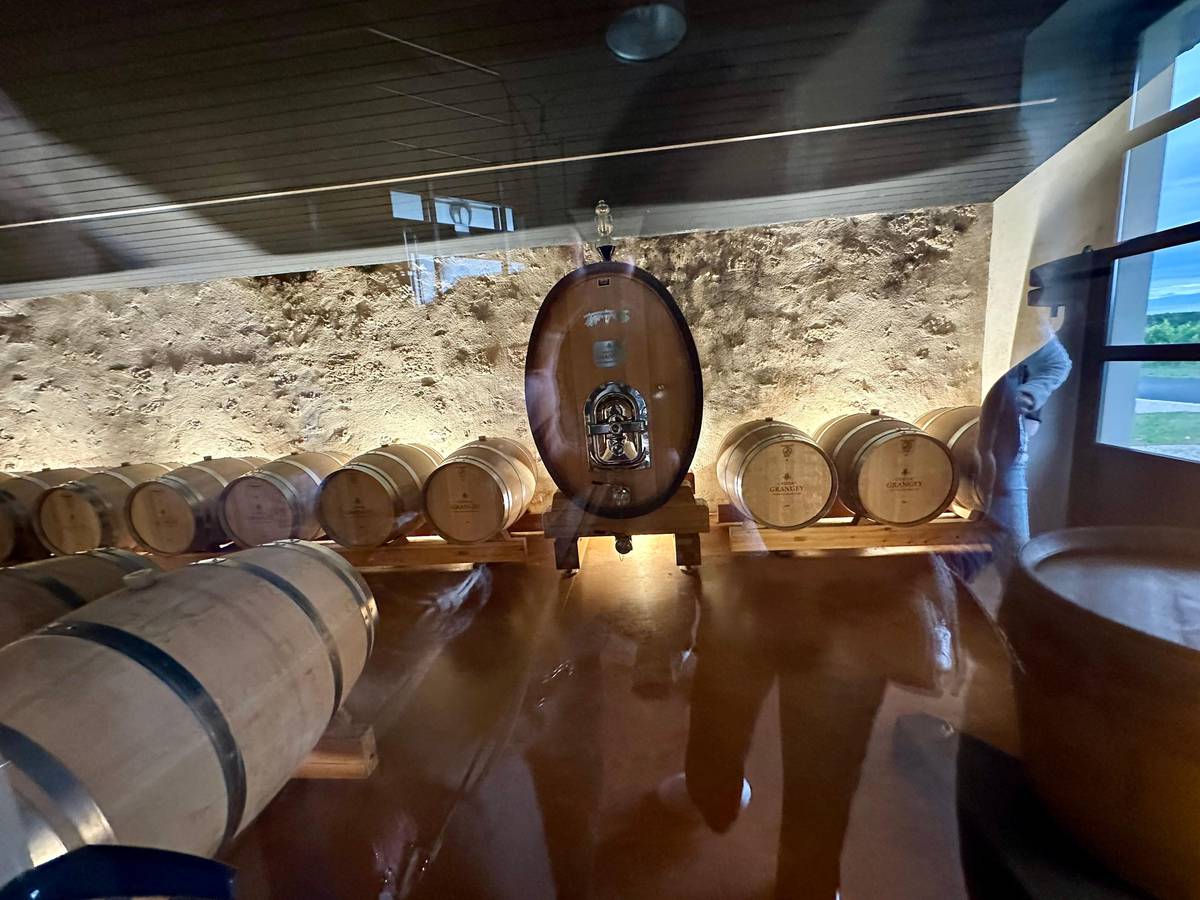
Around 18°C, after a young wine has had time to breathe.1415
Red, and only red, under its name
If you wonder what type of wine Saint-Émilion is, start with the color: red. The Saint-Émilion and Saint-Émilion Grand Cru appellations apply only to red wines; a rosé or a white made here carries a different name.3 Saint-Émilion has two wine AOCs, Saint-Émilion and Saint-Émilion Grand Cru, and the Grand Cru one also allows the titles Grand Cru classé and Premier Grand Cru classé.16
The appellations share their ground but not their rules. The Grand Cru specifications include lower yields and specific aging and control requirements.4 The wine council counts 700 winegrowers and 5,450 ha of vines for Saint-Émilion and Saint-Émilion Grand Cru together.17 A bottle from either one comes from the same hills; the label tells you which rulebook the grower followed.
Beyond the village, four satellite appellations lie to the north, in Montagne, Saint-Georges, Puisseguin and Lussac.18 The Lussac appellation spreads over 1,450 hectares north of the Saint-Émilion hill.19 Across the Greater Saint-Émilion Area there are no fewer than 12 appellations, a lot of names for one stretch of hills and a reason to read every label slowly.20
The blend
A typical Saint-Émilion, grape by grape
%
The classification ladder
From appellation to the top rank
| Level | What it is | Estates in 2022 | Entry score |
|---|---|---|---|
| Saint-Émilion | Appellation | Not ranked | None |
| Saint-Émilion Grand Cru | Appellation with stricter rules | Not ranked | None |
| Grand Cru Classé | Title in the classification | 71 | 14/20 |
| Premier Grand Cru Classé | Higher title | 12 | 16/20 |
| Premier Grand Cru Classé A | Top of the list | 2 | Not stated |
Counts from the 2022 classification and scores from the wine council's rules; the list is revised every ten years.52122164
The three main grapes
Who does what in the blend
Pride of place Later ripening
 Minor share
Decision helper
Which Saint-Émilion should you open?
Pick the bottle by the style you enjoy
A recent vintage
Young Saint-Émilion wines are mostly ruby.23
An older bottle
With age come tile-red and orange tints, and the oldest wines turn brown.23
Saint-Émilion Grand Cru
Lower yields and specific aging and control requirements.4
Grand Cru Classé on the label
Only the Grand Cru appellation carries that title.16
A château visit
The half day sold here pours 3 to 4 wines at a Grand Cru Classé château.
particularly red fruit: strawberry, blackcurrant, blackberry, raspberry, redcurrant and also cherry
How the wine tastes
Here is what Saint-Émilion wine tastes like, in broad strokes. The Merlot brings red fruit, from strawberry and raspberry to cherry and blackcurrant.9 Barrel aging adds smoked, roasted or toasted aromas.13 Young bottles tend to feel round and generous in the mouth, while older ones trade some of that fruit for savory, earthy depth and a softer finish.
Color tells you the age before you sip. Young Saint-Émilion wines are mostly ruby; garnet and purple tints come later, then tile-red and orange, and the oldest wines are brown.23 Tilt the glass over a white napkin and you will see the rim change first. It is a quick habit worth practicing at home with any bottle you open over the coming months.
A small mouthful is enough to pick up the four basic flavors of bitter, acidic, sweet and salty.24 Hold the glass by its foot so your hand does not warm the wine.25 Let each sip rest on your tongue for a moment before you swallow or spit, and say out loud what you notice: naming a flavor is the surest way to remember it the next time you taste.
Cost calculator
Price a tasting for your group
Tell it your head count and see what a first tasting adds up to.
People
Total from$191
from, per person $96
Check availabilityfree cancellationTotals multiply each tour's lowest GetYourGuide rate by your group, shown in your currency at the ECB rate; checkout gives the binding sum.
Video
Saint-Émilion wine and its classification, explained
The player loads on your tap, not before.
Soil, plots and the weather behind the glass
The ground matters as much as the grape. Around the town lies a limestone plateau, while a gravel terrace runs toward Libourne, with clayey limestone hills and the sandy gravel plain of the Dordogne valley.26 Estates a short drive apart can pour very different glasses, and this soil map is a good place to start when you want to understand why a neighbor's wine tastes nothing like the last one.
The wine council gives an average yearly temperature of 12.8°C for Saint-Émilion.27 The vintage on the label tells you which harvest the grapes came from, and each year's weather leaves its mark on the finished wine. When a host pours several years of the same wine, compare them slowly; that comparison is one of the real pleasures of a cellar visit.
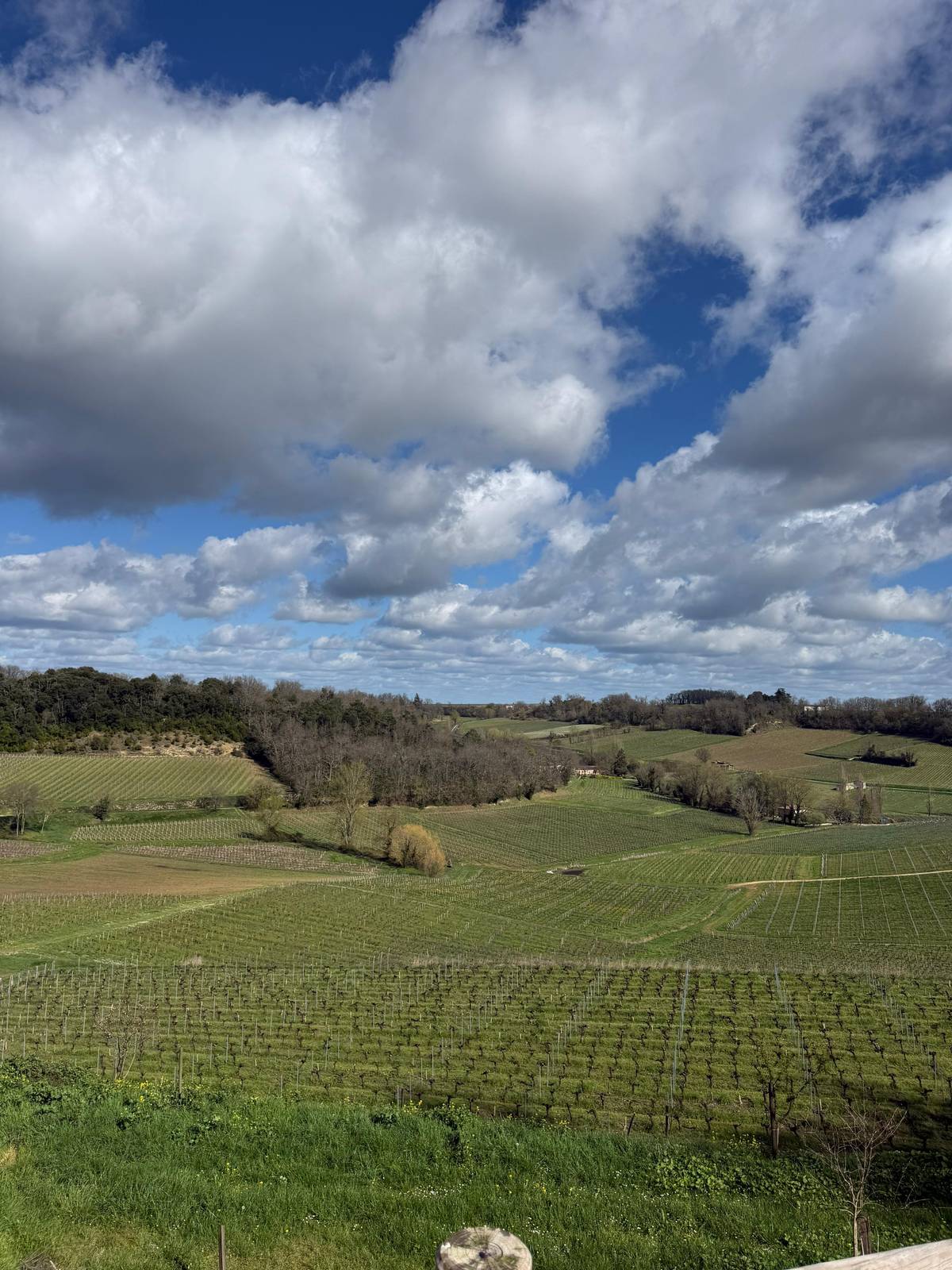
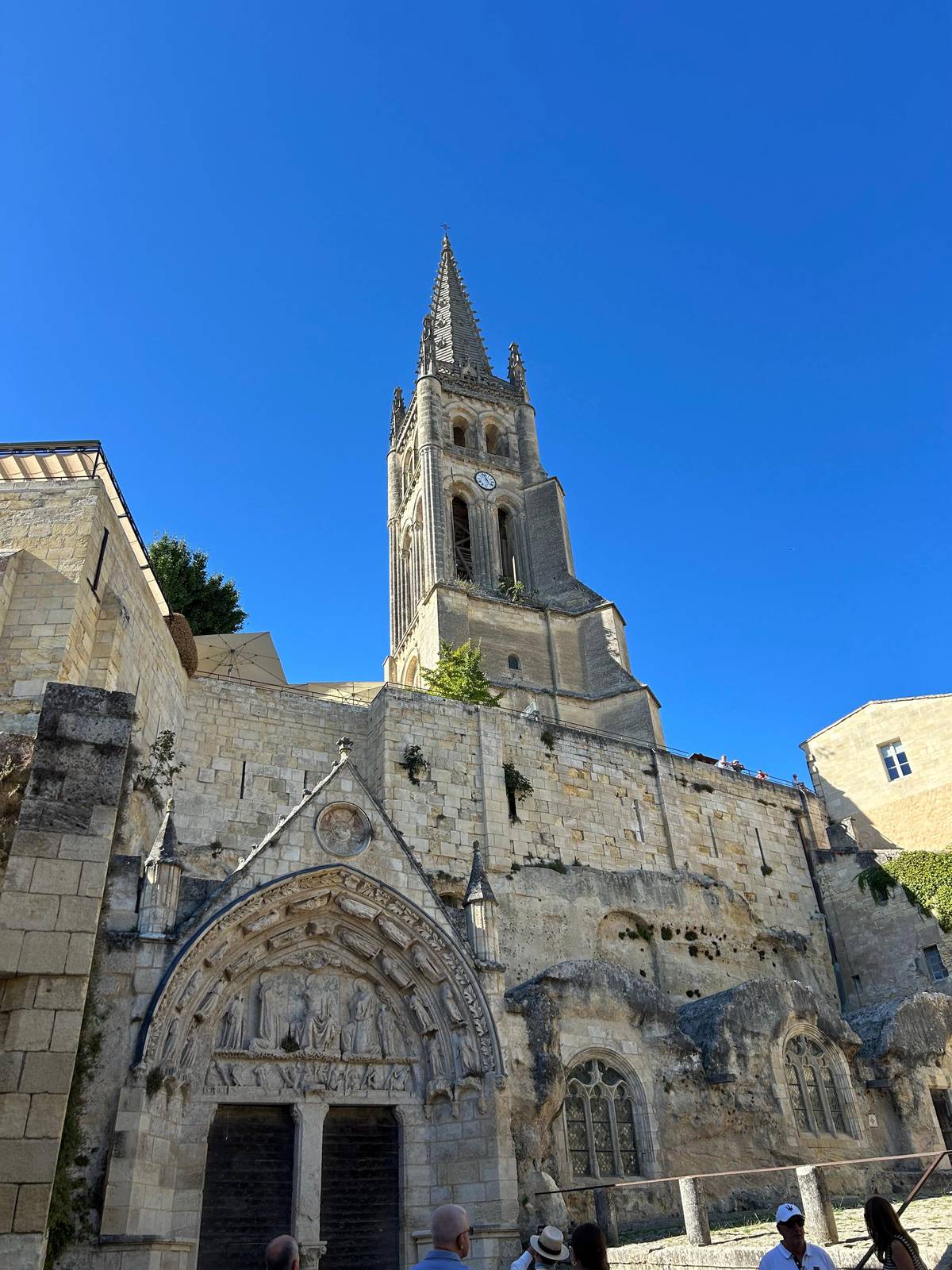
The vineyards form a mosaic of separate plots, a legacy of property rules at the end of the Middle Ages.28 The average estate in the two Saint-Émilion appellations covers 8 hectares, and there are still more than 800 wineries.29 Small estates side by side make the landscape look like a patchwork from the ramparts, and they give you a wide choice of houses to taste.
Grand Cru, Grand Cru Classé and the top rank
The words on the label confuse plenty of first-time buyers. Saint-Émilion Grand Cru is an appellation; Grand Cru classé and Premier Grand Cru classé are titles from the classification that only the Grand Cru appellation can carry.16 The 2022 classification, the seventh since 1955, lists 85 properties, with 2 Premiers Grands Crus Classés A, 12 Premiers Grands Crus Classés and 71 Grands Crus Classés.5
Château Figeac and Château Pavie hold the A rank in the 2022 list.6 The list is revised every ten years, and an estate needs a minimum score of 14/20 for Grand Cru Classé and 16/20 for Premier Grand Cru Classé.2221 Only an estate already admitted as Grand Cru Classé can be examined for the higher title.21
Tasting carries real weight in the verdict: for Grands Crus Classés it counts for 50% of the final score.30 The wine council also stresses that it ranks crus, not only wines.31 Saint-Émilion has a long habit of organizing itself around its wine: the first winegrowers' union in France was founded here in 1884.32
From flowering to harvest
The grapes in your glass follow a fixed calendar. Flowering comes in May and June, with between 100 and 200 small white flowers on each bunch.10 In August the grapes start to change color and the ripening period begins.11 A summer visit shows you the bunches swelling and turning, long before anyone reaches for a pair of shears.
Harvest falls in September and October and moves with the weather and the conditions of each vineyard.12 The tourist office invites visitors to watch it between mid-September and the end of October.33 A visit in that window can bring tractors with trailers of grapes on the lanes and the smell of fermenting juice near the cellar doors.
The rules in the vineyard have tightened too. Since 1 January 2023 all winegrowers in the Saint-Émilion, Saint-Émilion Grand Cru, Lussac and Puisseguin appellations must hold an environmental certification.34 Ask your host which certification their estate holds and what it changed in their work; the answer says a lot about how they farm.
Tasting it on the spot
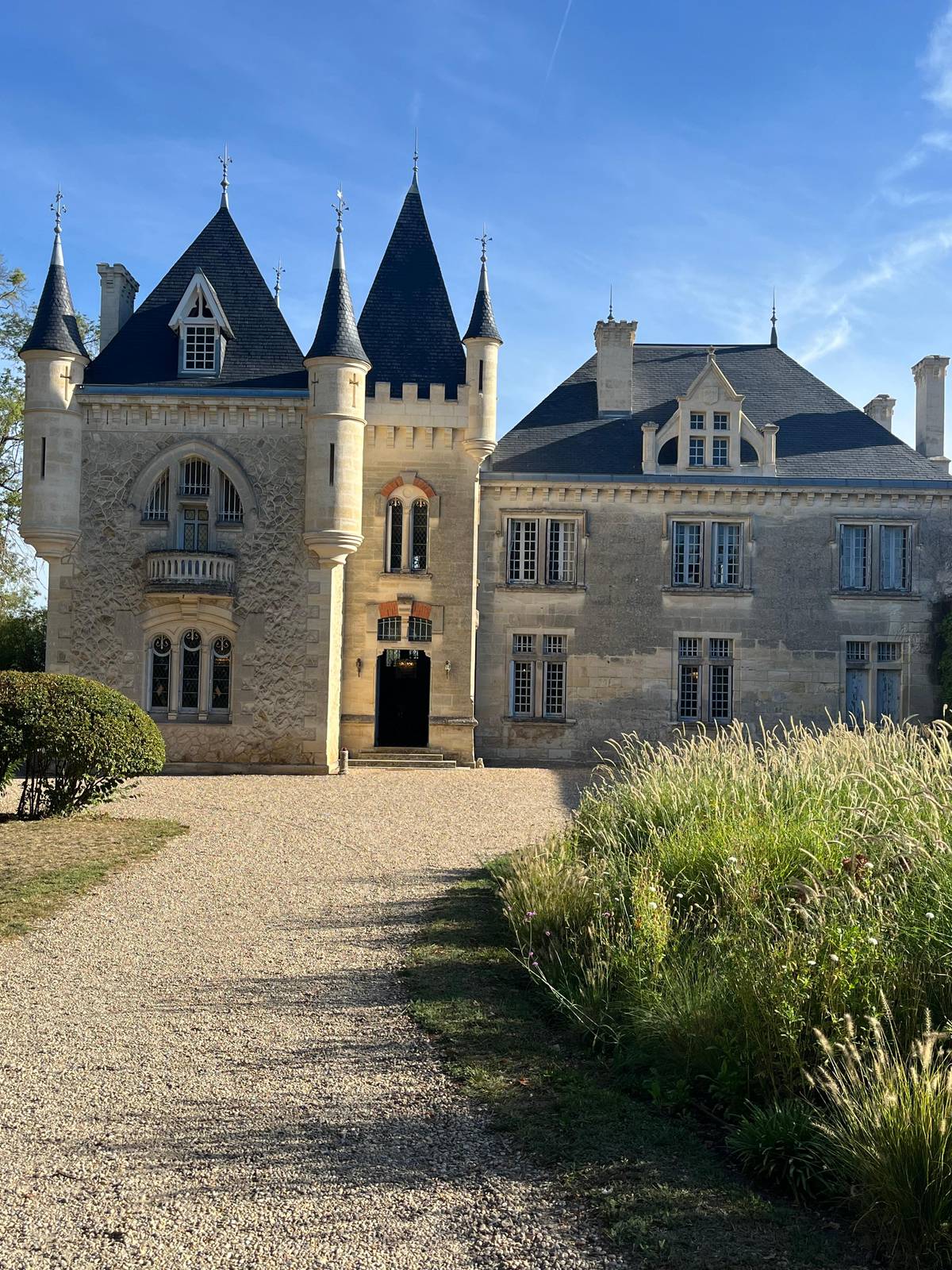
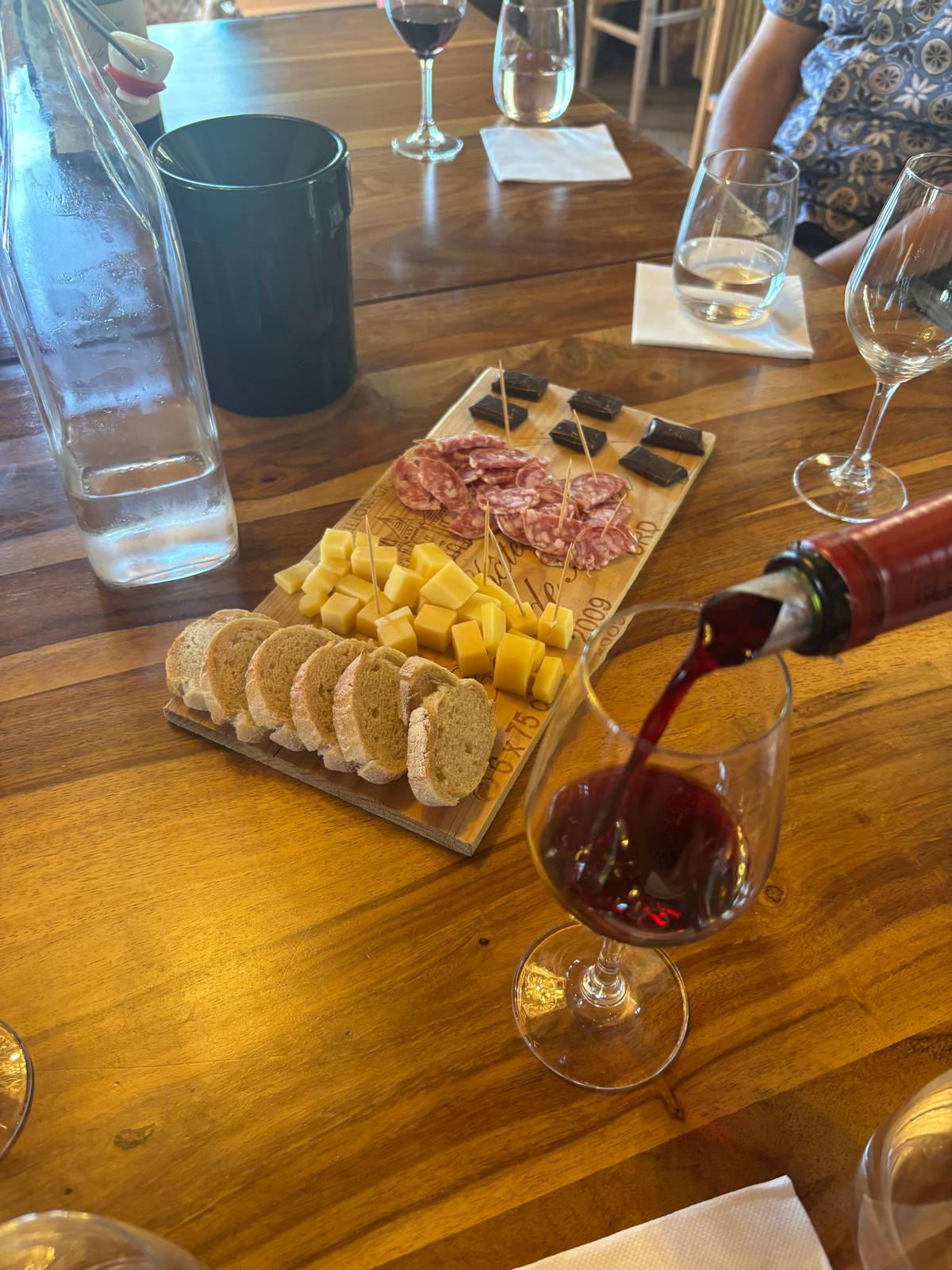
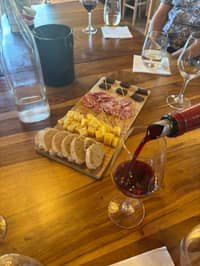
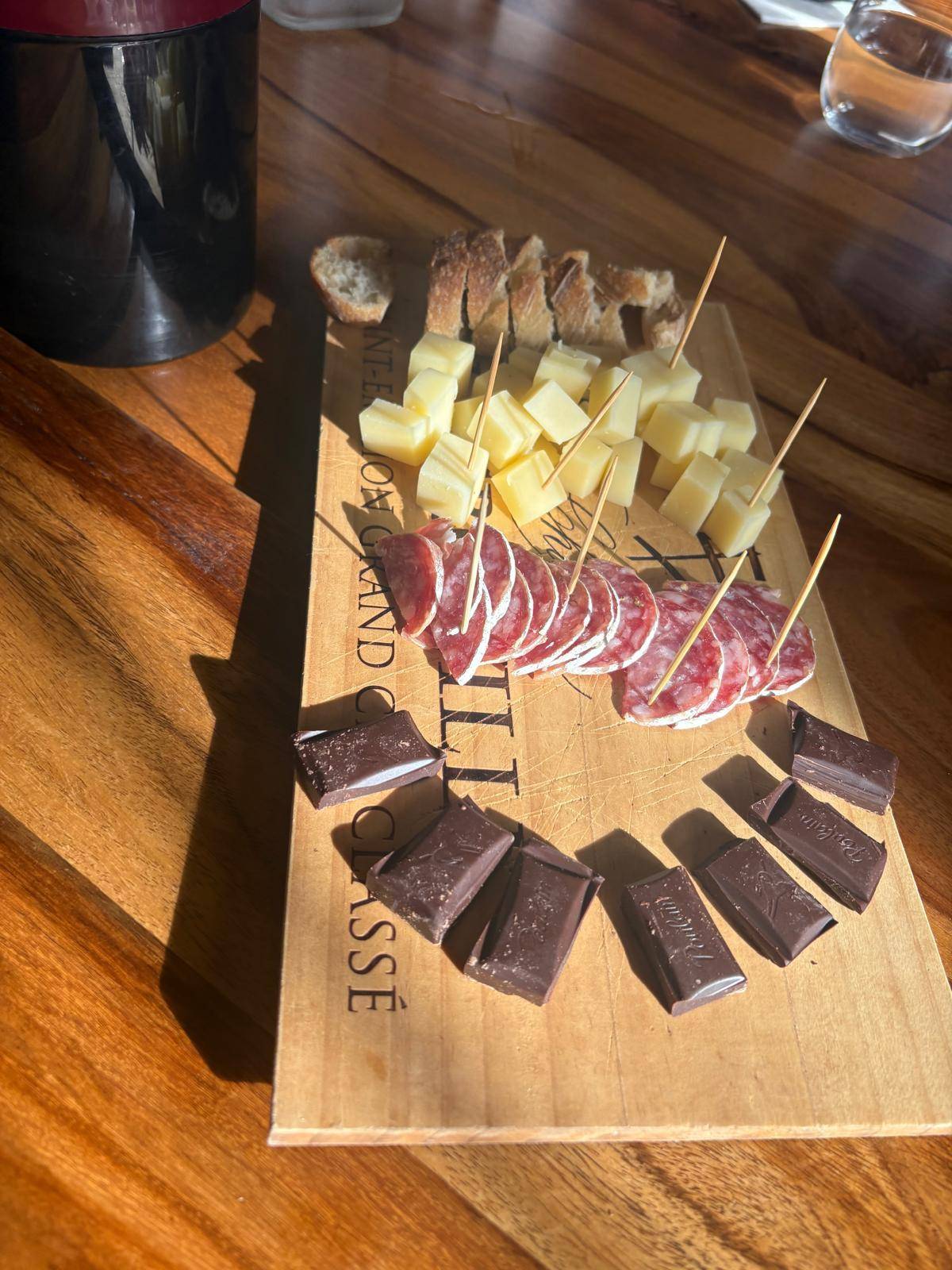
The easiest way to answer these questions is to taste. The half-day tour sold on this site pours 3 to 4 Saint-Émilion wines at a Grand Cru Classé château with a French aperitif platter, after a guided walk in the village. It runs 4 to 4.5 hours from Bordeaux and starts from $96.
Near the village, a family estate at Château Haute-Nauve pours 4 wines in 75 minutes, from $19. Several wines from one house, tasted side by side, show how the blend and the vintage shift between bottles more clearly than any description on a label can.
At home, give the wine the same care. The wine council gives 18°C as the best serving temperature for a Saint-Émilion.14 For young powerful vintages up to 7 or 8 years old, it recommends letting the wine breathe for at least an hour.15 Open the bottle early, pour a little to check it, and let the rest wait while you set the table.
Book your seats
A village walk and a classified cellar await.
Choose a morning or an afternoon slot; plans can still change until 24 hours ahead.


You ask,we answer.
Which grape leads the blend?
Merlot. The wine council's rough figure is 70% Merlot, 20% Cabernet Franc and 10% Cabernet Sauvignon.1
Is Saint-Émilion always red?
Under its name, yes. The appellations apply only to red wines; a rosé or a white takes a different name.3
What does Grand Cru mean here?
It is an appellation. Saint-Émilion Grand Cru has lower yields and specific aging and control requirements.4
How many estates are classified?
85 in 2022. That is 2 Premiers Grands Crus Classés A, 12 Premiers Grands Crus Classés and 71 Grands Crus Classés.5
Which estates hold the top rank?
Figeac and Pavie. Both carry the rank A in the 2022 classification.6
When are the grapes picked?
In September and October. The timing moves with the weather and the conditions of each vineyard.12
How warm should I serve it?
Around 18°C. That is the wine council's ideal temperature for a Saint-Émilion.14
Sources
The sources for this guide
- 1Conseil des Vins de Saint-ÉmilionThe art of tasting↩
- 2Conseil des Vins de Saint-ÉmilionMerlot and blend↩
- 3Office de Tourisme du Grand Saint-ÉmilionnaisVineyard↩
- 4Office de Tourisme du Grand Saint-ÉmilionnaisFAQ - Saint-Émilion Tourist Office↩
- 5Conseil des Vins de Saint-ÉmilionSaint-Émilion wine classification↩
- 6Conseil des Vins de Saint-ÉmilionThe 2022 classification↩
- 7Bordeaux Wine Council (CIVB)Grape varieties↩
- 8Conseil des Vins de Saint-ÉmilionMerlot and blend↩
- 9Conseil des Vins de Saint-ÉmilionMerlot and blend↩
- 10Conseil des Vins de Saint-ÉmilionA year in the wines↩
- 11Conseil des Vins de Saint-ÉmilionA year in the wines↩
- 12Conseil des Vins de Saint-ÉmilionA year in the wines↩
- 13Office de Tourisme du Grand Saint-ÉmilionnaisVineyard↩
- 14Conseil des Vins de Saint-ÉmilionServing wine↩
- 15Conseil des Vins de Saint-ÉmilionServing wine↩
- 16Conseil des Vins de Saint-ÉmilionSaint-Émilion & Saint-Émilion Grand Cru↩
- 17Conseil des Vins de Saint-ÉmilionSaint-Émilion & Saint-Émilion Grand Cru↩
- 18Office de Tourisme du Grand Saint-ÉmilionnaisVineyard↩
- 19Conseil des Vins de Saint-ÉmilionLussac Saint-Emilion↩
- 20Office de Tourisme du Grand Saint-ÉmilionnaisVineyard↩
- 21Conseil des Vins de Saint-ÉmilionSaint-Émilion wine classification↩
- 22Conseil des Vins de Saint-ÉmilionSaint-Émilion wine classification↩
- 23Conseil des Vins de Saint-ÉmilionThe art of tasting↩
- 24Conseil des Vins de Saint-ÉmilionThe art of tasting↩
- 25Conseil des Vins de Saint-ÉmilionThe art of tasting↩
- 26Conseil des Vins de Saint-ÉmilionDistinctive features↩
- 27Conseil des Vins de Saint-ÉmilionDistinctive features↩
- 28Conseil des Vins de Saint-ÉmilionDistinctive features↩
- 29Office de Tourisme du Grand Saint-ÉmilionnaisVineyard↩
- 30Conseil des Vins de Saint-ÉmilionSaint-Émilion wine classification↩
- 31Conseil des Vins de Saint-ÉmilionSaint-Émilion wine classification↩
- 32Conseil des Vins de Saint-ÉmilionSaint-Émilion wine classification↩
- 33Office de Tourisme du Grand Saint-ÉmilionnaisVineyard↩
- 34Office de Tourisme du Grand Saint-ÉmilionnaisVineyard↩