 Pleasant and green
Spring
April and May
- May high
- 21.7 °C
- Vines
- Flowering in May and June
- Event
- Open Houses in early May
Guides
Language
EnglishCurrency
US dollar · $GetYourGuide converts to the currency you select here.
Guide · When to go
A UNESCO-listed wine village, a church cut out of the rock and vineyards in every direction: here is what makes the trip worthwhile, the months to choose and the catches to plan around.
Editorial team, saintemilionwinetasting.comUpdated October 18, 2026about 7 min to read34 sources
The verdict
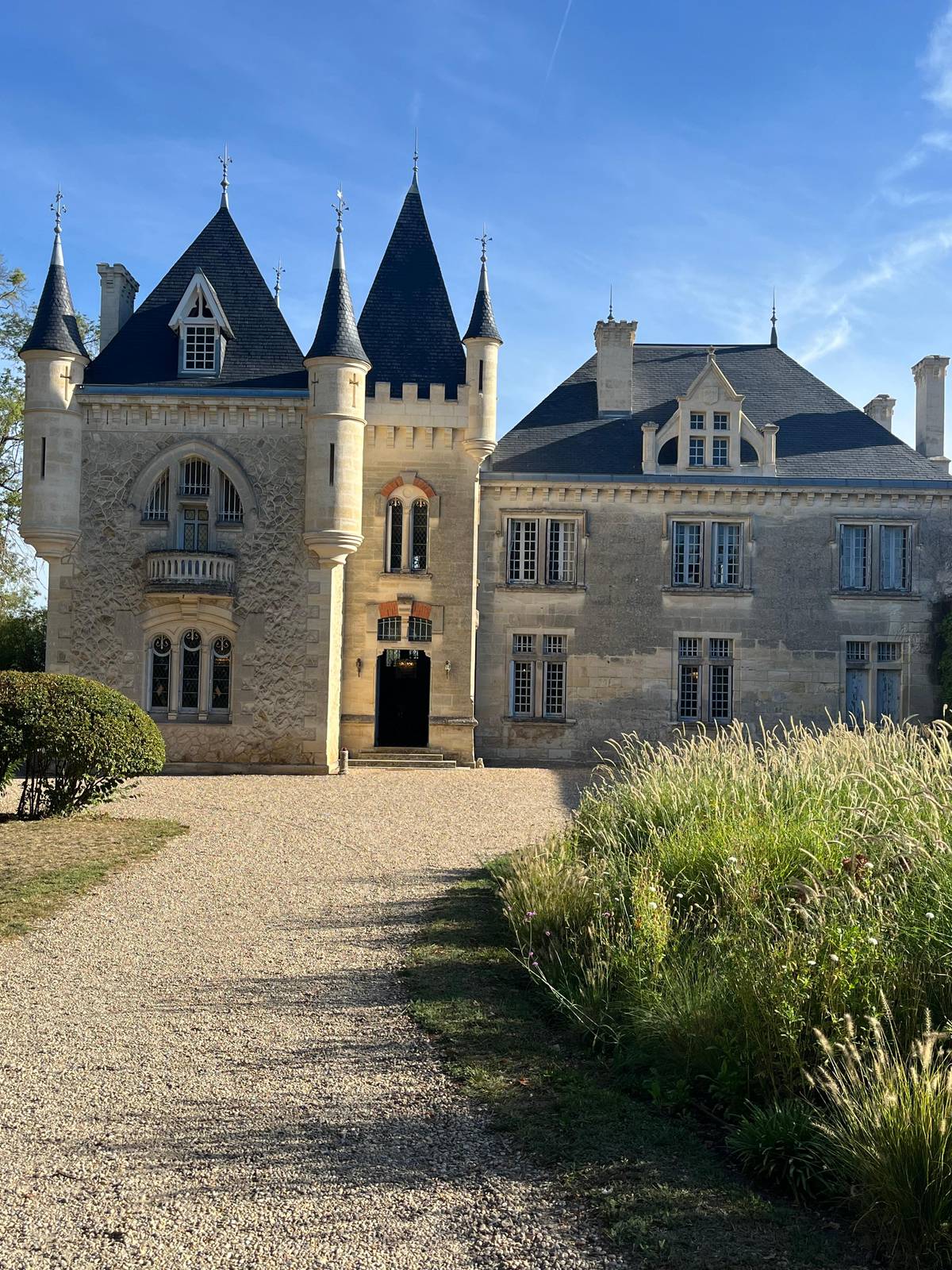
Is Saint-Émilion worth visiting? If you like wine, old stone, or simply a village that looks the way you picture rural France, the answer is yes. The tourist office says it is visited by over a million tourists each year, and UNESCO describes the area as an outstanding example of an historic vineyard landscape that has survived intact.89 The setting does the persuading within minutes of your arrival.
It is also a small place. The town has 1,876 inhabitants, 200 of them living inside the walls.10 That contrast sets the tone of a visit: a compact medieval core, estates spread out across the slopes around it, and a village that feels very different early in the morning than at lunchtime in high summer. Your choice of hour matters almost as much as your choice of month, and a little planning makes the difference.
It suits less well if steps are hard for you. Not all of the village's streets and monuments are wheelchair accessible, though an adapted map shows the most accessible routes.11 If you dislike crowds, choose your season and your hours with care, using the month-by-month notes further down this page. And if you want a wine estate as well as the village, plan for more than a quick stop between other sights.
The vine year
Early May
In 2026 the châteaux opened their doors from May 1st to 3rd.12
May and June
Each bunch carries between 100 and 200 small white flowers.13
August
The grapes change color and the ripening period begins.14
September and October
Picking time, set by the weather and the conditions in each vineyard.15
Winter
A calmer village; some estates may reduce their opening hours.16
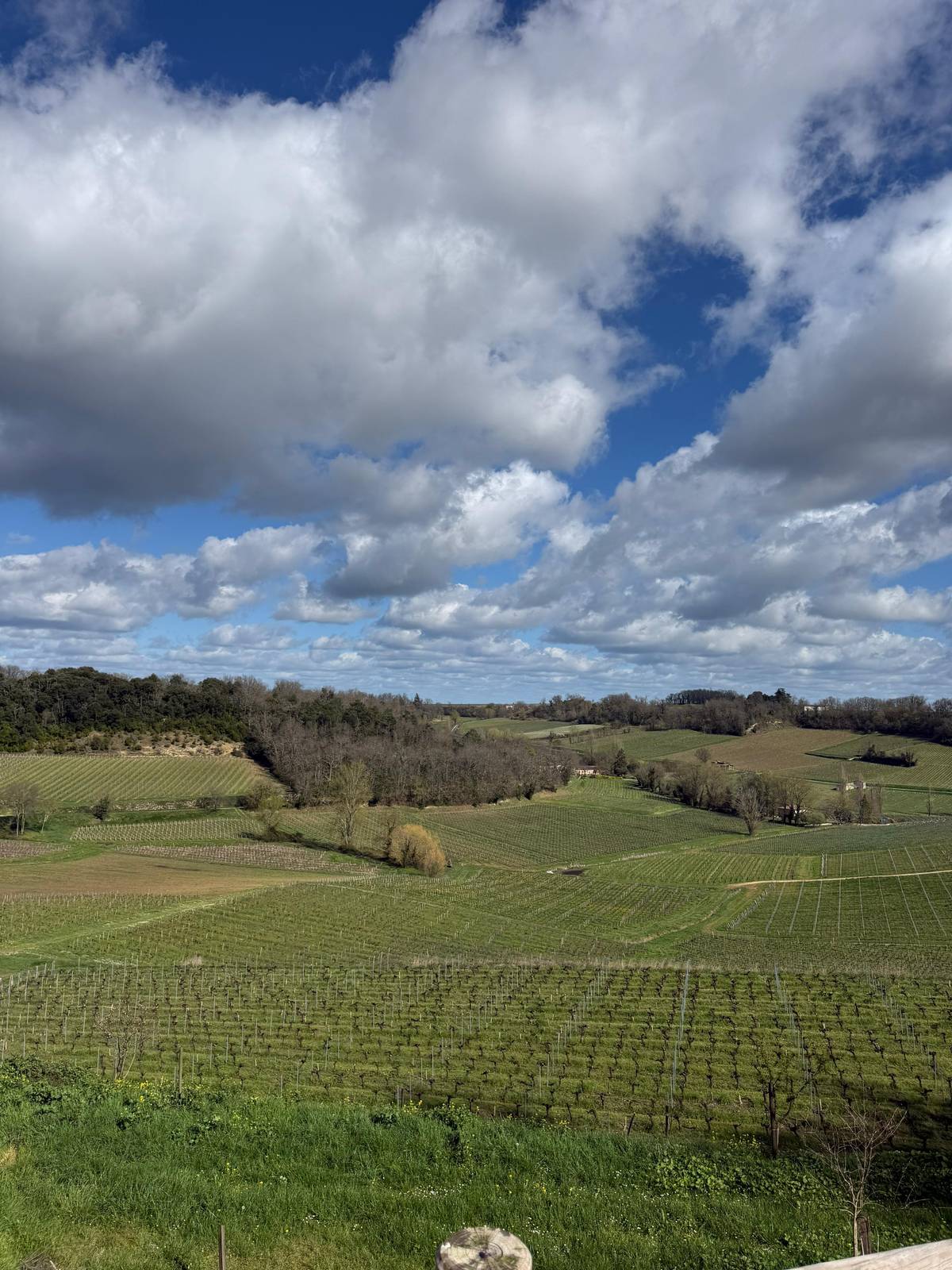
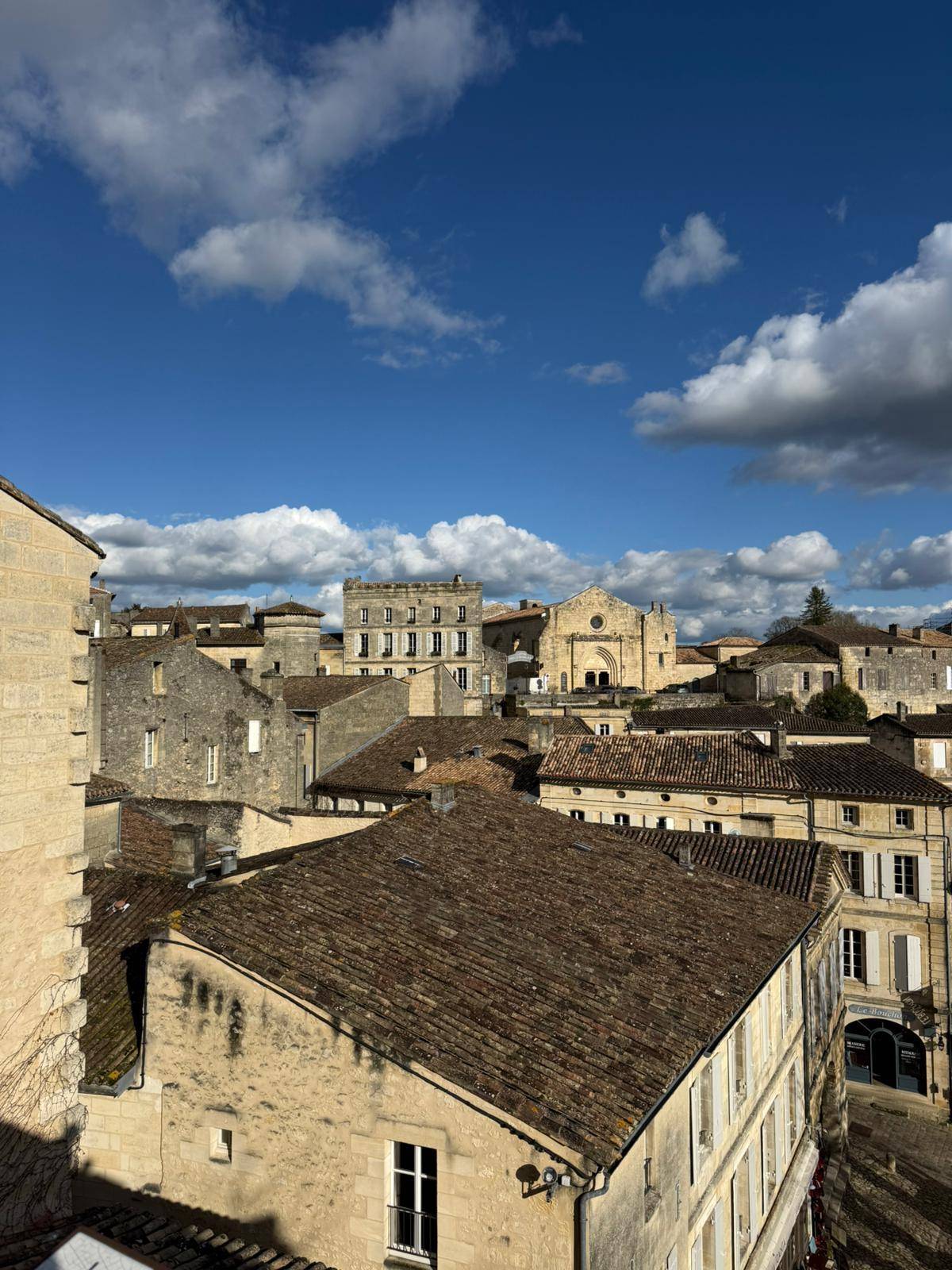
The landscape comes first. In December 1999 the vineyard and the eight villages of the Jurisdiction of Saint-Émilion were listed by UNESCO, and the wine council says it was the first time a viticultural landscape had been listed in this way.1718 From the top of the village you see why: rows of vines run up to the walls, and the old town sits in the middle of working farmland rather than apart from it.
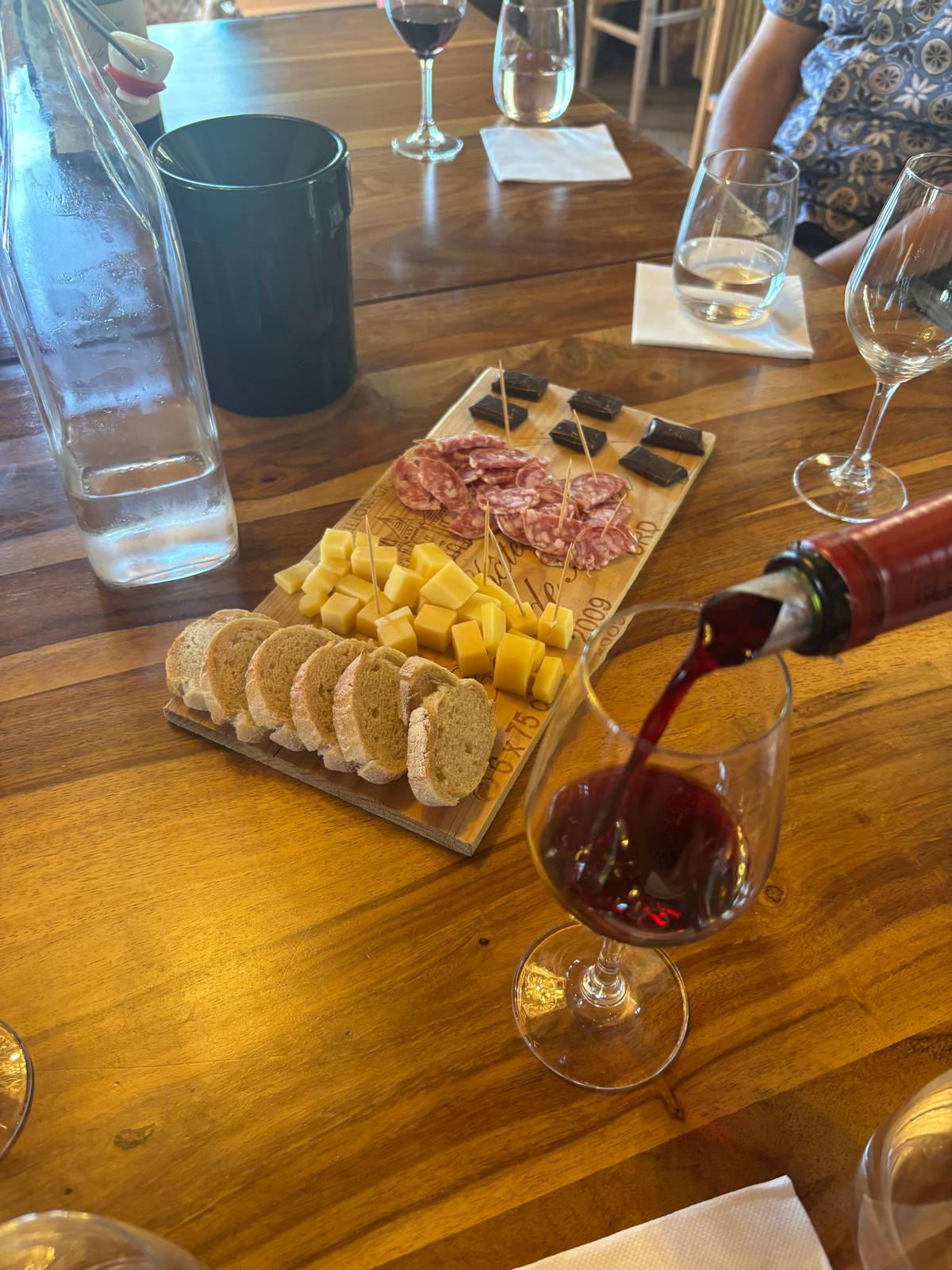
The wine comes next. Nearly 900 châteaux welcome visitors in the vineyards, according to the wine council, and the 2022 classification lists 85 properties, from 71 Grands Crus Classés up to 2 Premiers Grands Crus Classés A.319 You do not need to know the ranks to enjoy a tasting, but the names on the gates around the village read like a wine list, and the vineyards form a mosaic of separate plots that dates back to the end of the Middle Ages.20
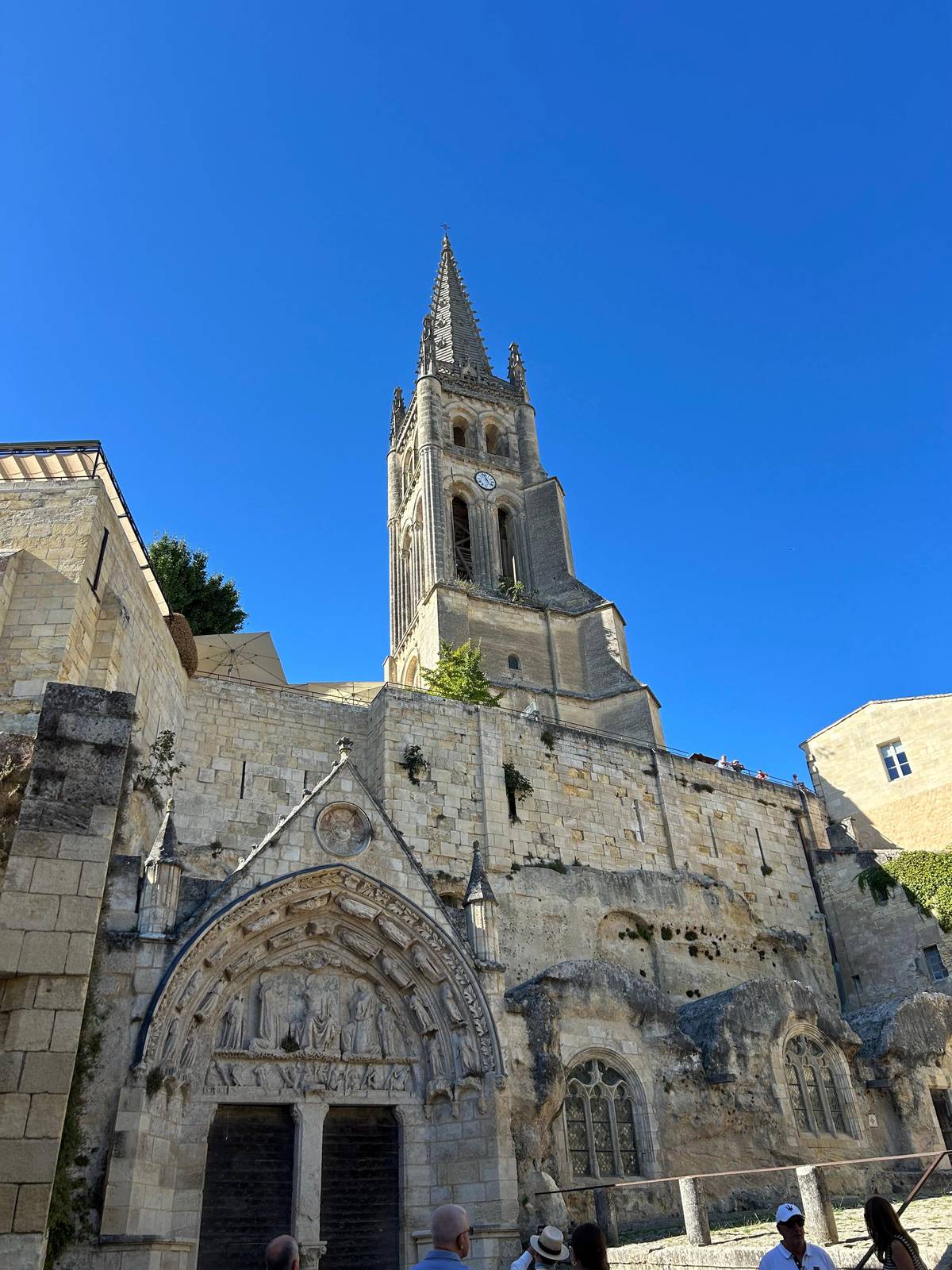
The village itself completes the case. The Monolithic Church, 38 m long and 12 m high, was carved out of a single block of stone and can be seen only on a guided visit.221 Add local macaroons made since 1620 and Crémant de Bordeaux produced in old underground quarries at the Cloître des Cordeliers, and even a short stay fills up quickly.2223 Give yourself time to walk it slowly; the details are in the doorways, the steps and the views between houses.
Climate
Month by month
| Month | Daylight (h) | Darkness (h) | High / low | Wet days | Grape harvest |
|---|---|---|---|---|---|
| Jan | 9.1 | 14.9 | 11 / 4 °C | 9 | |
| Feb | 10.4 | 13.6 | 12 / 4 °C | 7 | |
| Mar | 11.8 | 12.2 | 16 / 6 °C | 7 | |
| Apr | 13.4 | 10.6 | 18 / 8 °C | 8 | |
| May | 14.8 | 9.2 | 22 / 11 °C | 7 | |
| Jun | 15.6 | 8.4 | 25 / 15 °C | 6 | |
| Jul | 15.3 | 8.7 | 27 / 16 °C | 5 | |
| Aug | 14.1 | 9.9 | 28 / 16 °C | 5 | |
| Sep | 12.5 | 11.5 | 24 / 13 °C | 7 | harvest |
| Oct | 10.9 | 13.1 | 20 / 11 °C | 8 | harvest |
| Nov | 9.5 | 14.5 | 14 / 7 °C | 10 | |
| Dec | 8.8 | 15.2 | 11 / 4 °C | 10 |
Each row gives mid-month day length, the usual daily high and low, and how many days collect 2.5 mm or more; NOAA, 1991 to 2020.25 Season according to Conseil des Vins de Saint-Émilion.15
Three seasons
Pleasant and greenApril and May
 Busiest
 Harvest
September and October
Decision helper
Pick the line that matches your trip
an outstanding example of an historic vineyard landscape that has survived intact
The tourist office says Saint-Émilion can be visited all year round, with spring and autumn particularly pleasant and summer the busiest period.4 Spring warms up steadily: at Bordeaux-Mérignac, the nearest weather station, the average daily high climbs from 18 °C in April to 21.7 °C in May.25 The vines flower in May and June, and the young green rows look their freshest under a soft spring light.13
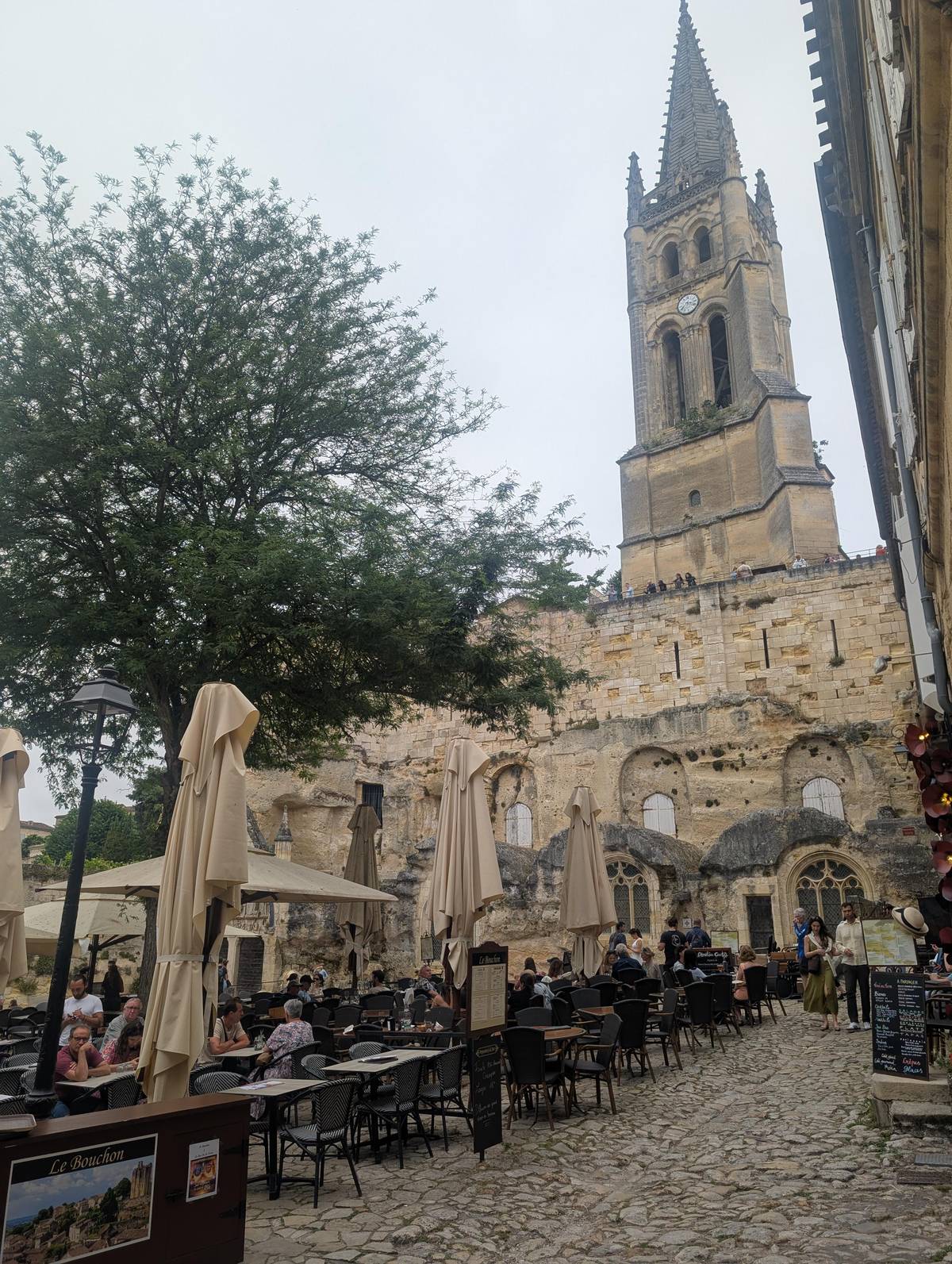
Summer brings heat and visitors. July and August average highs of 27.1 °C and 27.6 °C at the station, and each month counts just 5 wet days of 2.5 mm or more.25 In those months the tourist office suggests coming in the morning or at the end of the day for more comfortable conditions.7 Daylight runs longest in June, at 15.6 hours at mid-month, which leaves long, light evenings for a terrace once the heat eases.25
Winter is the quiet season. The tourist office calls it a quieter time to discover the village, though some wine estates, restaurants and activities may reduce their opening hours.16 At the station, November and December bring the most wet days, 10 in each month, and the average January high is 10.6 °C.25 Pack for damp cold, check opening times before you travel, and enjoy lanes you may have nearly to yourself.
Video
The player loads on your tap, not before.
The harvest is a different kind of visit. The tourist office's answers for visitors say the grape harvest in Saint-Émilion generally takes place in September, with the exact timing set by ripeness and weather in each vintage.5 Its vineyard page invites visitors to come and watch between mid-September and the end of October.24 The rows fill with pickers and tractors, and the air around the cellars smells of crushed fruit.
The wine council's calendar of the vine year places the harvest in September and October, and says it varies with the weather and the conditions of cultivation.15 Before that, the grapes start to change color in August, when the ripening period begins.14 If your dates are flexible, late September sits inside every one of these windows, which makes it the safest bet for seeing the work in the vineyards rather than reading about it.
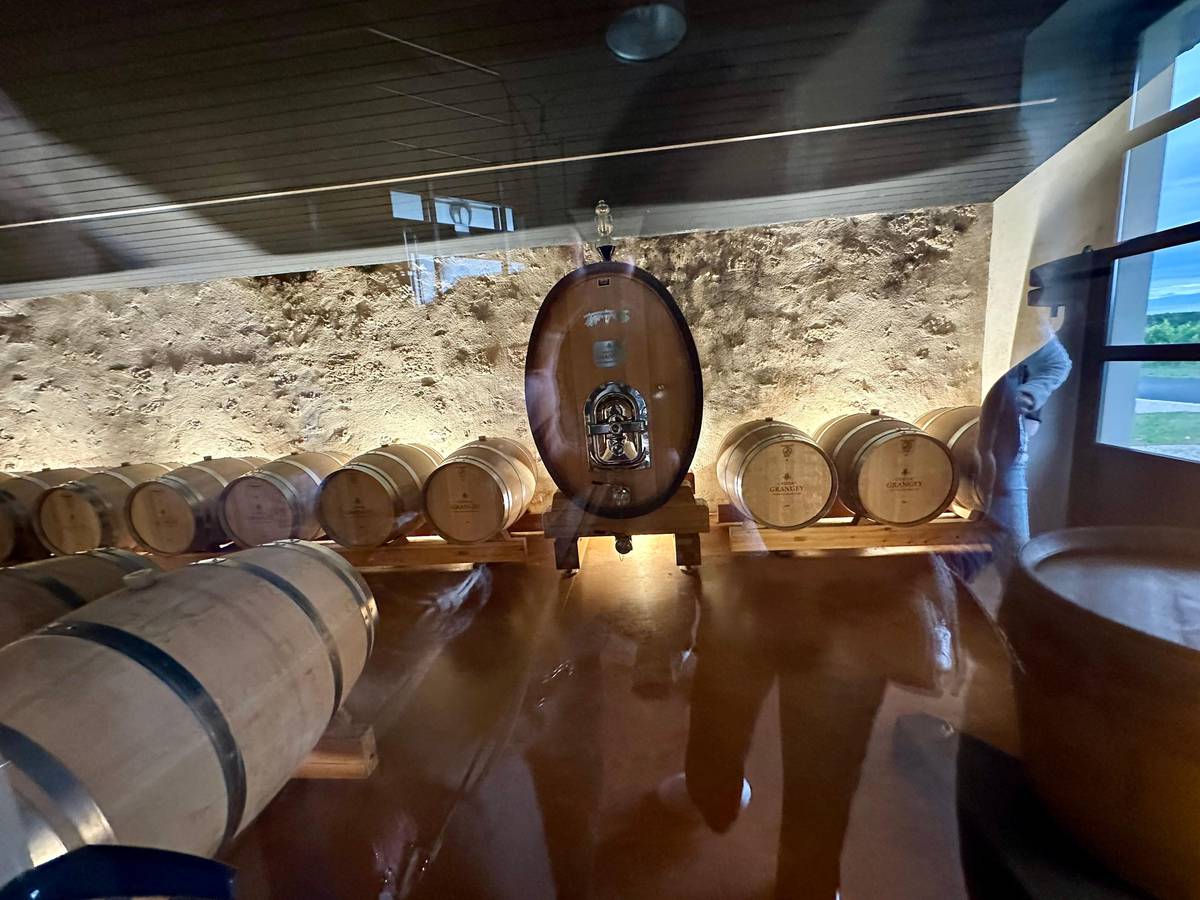
Harvest days are busy days for the estates. Visiting conditions vary from one estate to another, and some open only by reservation.29 Book tastings ahead, ask whether the estate receives visitors while the picking is on, and be ready for a shorter, livelier tour than in a calm month. Bring shoes you do not mind getting dusty, and keep your camera ready for the trailers of grapes on the lanes.
The tourist office's guidance is simple: half a day is enough for the essentials of the village, while a full day lets you add a visit to a wine estate.6 A half-day tour from Bordeaux is the compact version of that: the one sold on this site gives you 75 minutes on a guided walk in the village and 75 minutes at a Grand Cru Classé château, in 4 to 4.5 hours in all, from $96. Add a night in the village and you also get the lanes at dawn.
If you can stay longer, the wider area opens up. A stay of several days lets you explore the 22 municipalities of the Greater Saint-Émilion Area, and no fewer than 12 appellations protect the origin of wine on that territory.3031 The four satellite appellations lie to the north, in Montagne, Saint-Georges, Puisseguin and Lussac, and they make a pleasant second day of tastings away from the busiest lanes.32
Time your trip around an event if you can. In 2026 the Saint-Emilion Open Houses ran from May 1st to 3rd, with the châteaux opening their doors.12 In the high season the weekly market sets up at Parc Guadet on Tuesdays.33 Both add life to a visit, and neither is needed to enjoy the place. Check the events calendar before you fix your dates, since events shift from year to year, and book rooms early if your stay overlaps one.
When you plan to visit Saint-Émilion in a busy month, start early and book the fixed parts of the day. The tourist office strongly recommends booking its guided tours in advance, as places are limited.28 Put the guided visit first, a tasting next, and lunch after the tour groups have moved on. A day built that way feels calm even in August, and you are not left queuing in the sun for a slot.
Rain does not ruin the day. The underground heritage and historic monuments let you explore under cover.34 Underground the temperature stays at around 13°C, and a light layer in your bag helps even in summer.27 On a gray day the stone takes on a softer color and the cellars feel cozy. Keep an umbrella in your bag, and plan the walk between monuments for the drier hours of the afternoon if the forecast allows it.
Wear flat shoes for streets that are cobbled, sometimes steep and uneven.26 Book tastings ahead, since some estates can only be visited by reservation.29 Leave an hour unplanned at the end: the views from the upper village over the vines cost nothing, and a last glass on a terrace as the light drops is a fine way to round off the trip. It is often that unplanned hour that you remember longest, more than any single monument or label.
Book your seats
Choose a morning or an afternoon slot; plans can still change until 24 hours ahead.
Yes, for the village and an estate. Half a day covers the essentials of the village; a full day adds a visit to a wine estate.6
Generally in September. Timing depends on ripeness and weather; the wine council places the harvest in September and October.515
Summer. The tourist office names summer as the busiest period, and spring and autumn as particularly pleasant.4
Yes. The village can be visited all year round; winter is quieter, but some estates may reduce their opening hours.416
Head underground. The underground heritage and historic monuments let you explore the village under cover.34
For its cultural landscape. The former Jurisdiction of Saint-Émilion has been listed since 1999 for its cultural landscapes.1
Tuesdays in high season. In the high season the weekly market sets up at Parc Guadet on Tuesdays; check the events calendar first.33
Fewer than you might think. The town has 1,876 inhabitants, and 200 of them live inside the medieval walls.10
Sources